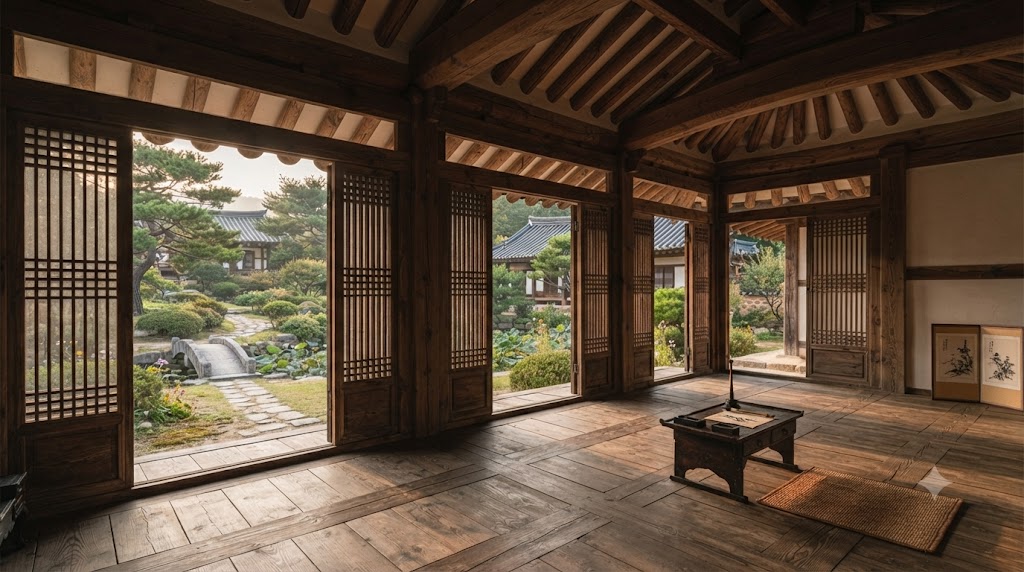
Fifty-four houses in a single valley are more than 200 years old, and people still hang laundry beside them.
That sentence is the quickest way I know to explain Yangdong Village, a Joseon-era clan settlement about 16 km northeast of Gyeongju city, inscribed on the UNESCO World Heritage List in 2010 together with Hahoe Village in Andong.
If you want the answer first: adult admission is 4,000 won, free parking is reported, the walk takes about an hour, and you should treat opening hours as flexible because real families live here.
Adults 4,000 won · teens 2,000 · children 1,500 · Gyeongju residents free
Hours reported: 09:00–19:00 (April–October), 09:00–18:00 (November–March)
Tel: 054-762-2633 · Korea Travel Hotline 1330 (English available)
Allow: about 1 hour on foot, 2–3 hours if you read signs and climb
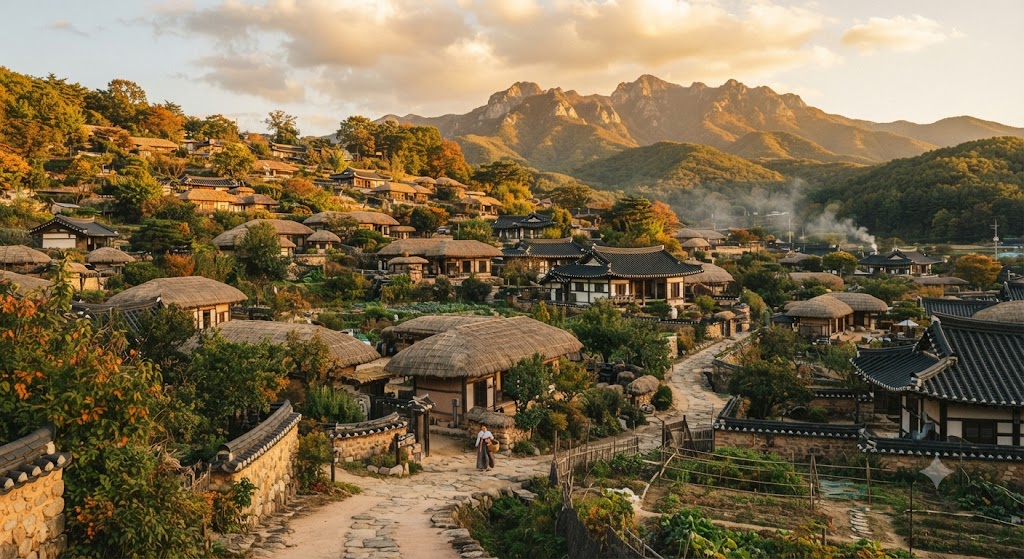
Why Yangdong, and not only Hahoe?
Most first-time visitors to Korea see Hahoe, the river-bend village near Andong, and stop there.
Yangdong is the companion half of the same UNESCO listing, called Historic Villages of Korea: Hahoe and Yangdong, and the two are roughly 90 km apart.
UNESCO describes both as among the best preserved and most representative clan villages in Korea, recognised under criteria (iii) and (iv) for what they show about Joseon-era Confucian society.
| Yangdong (Gyeongju) | Hahoe (Andong) | |
|---|---|---|
| Houses in nomination | 149 | 124 |
| Setting | Hillsides under Mt. Seolchang, Hyeongsan River | Bend of the Nakdong River |
| Feel | Layered, climb-and-wander, lived-in | Flatter, river-and-pine-grove walk |
The house counts come from UNESCO’s nomination text, while Korean sources describe the village as having roughly 150 to 160 or more buildings, so treat the exact figure as approximate.
If you only have time for one, Hahoe is easier by public transport, but Yangdong rewards people who like to climb and look down over rooftops.
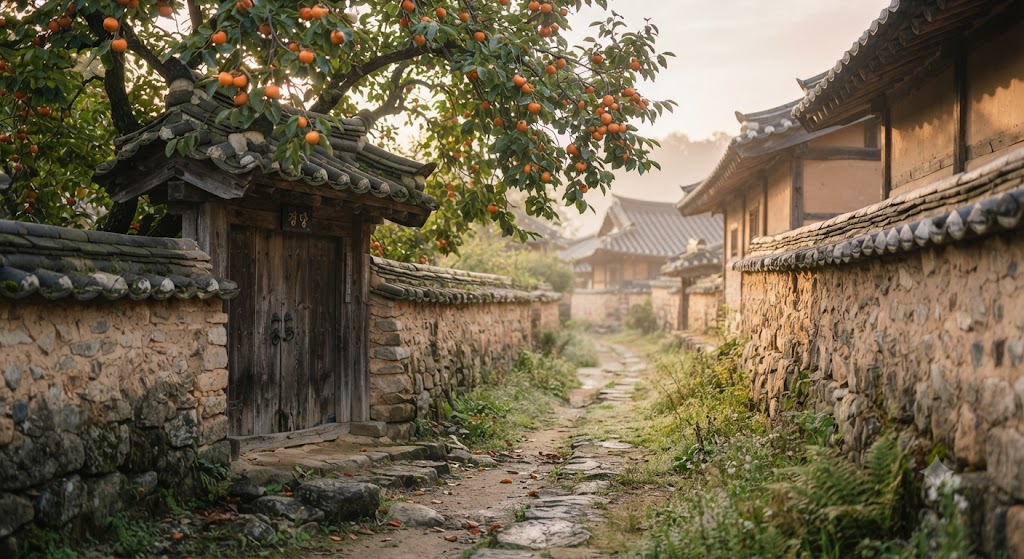
Tickets, hours and parking
Admission is 4,000 won for adults, 2,000 for teenagers and 1,500 for children, and residents of Gyeongju enter free, according to a Korean tourism listing.
A Korean news report from July 2025 also gives 4,000 won for adults, which matches.
Parking is described as free.
Hours are where the sources disagree.
One listing gives 09:00 to 19:00 from April to October and 09:00 to 18:00 from November to March, but another lists garbled times, and a third notes there are no strict visiting hours because the village is inhabited.
My advice is to arrive before 16:00 in winter and to call 054-762-2633 or the 1330 hotline if your plan is tight.
Getting there
Yangdong sits in Gangdong-myeon, about 16 km northeast of central Gyeongju, along the Hyeongsan River with Mt. Seolchang rising to the north.
Most travellers go by car or taxi from Gyeongju.
I could not confirm a current direct bus timetable while researching this guide, so ask the 1330 line, which answers in English, Japanese and Chinese as well as Korean, before you plan around a bus.
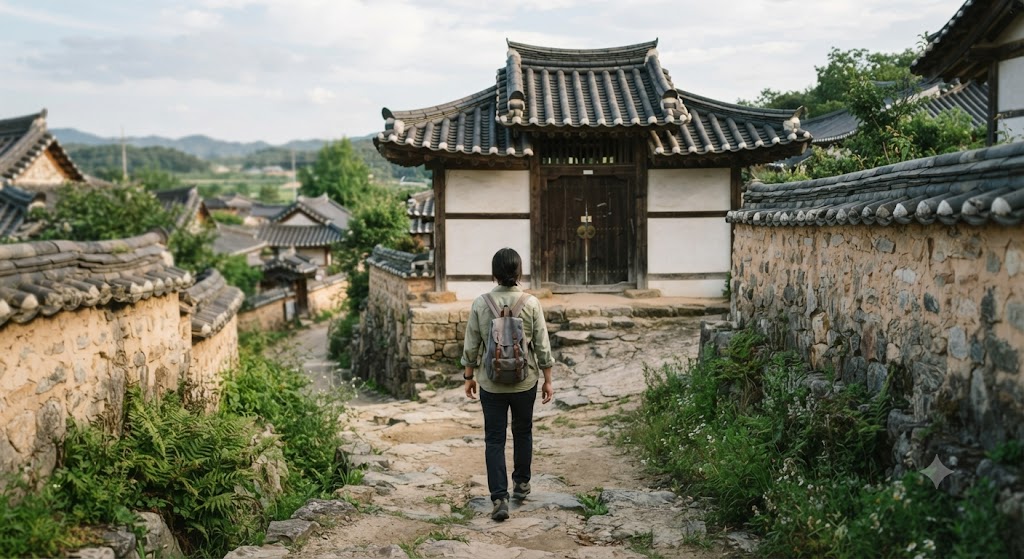
How the village is laid out
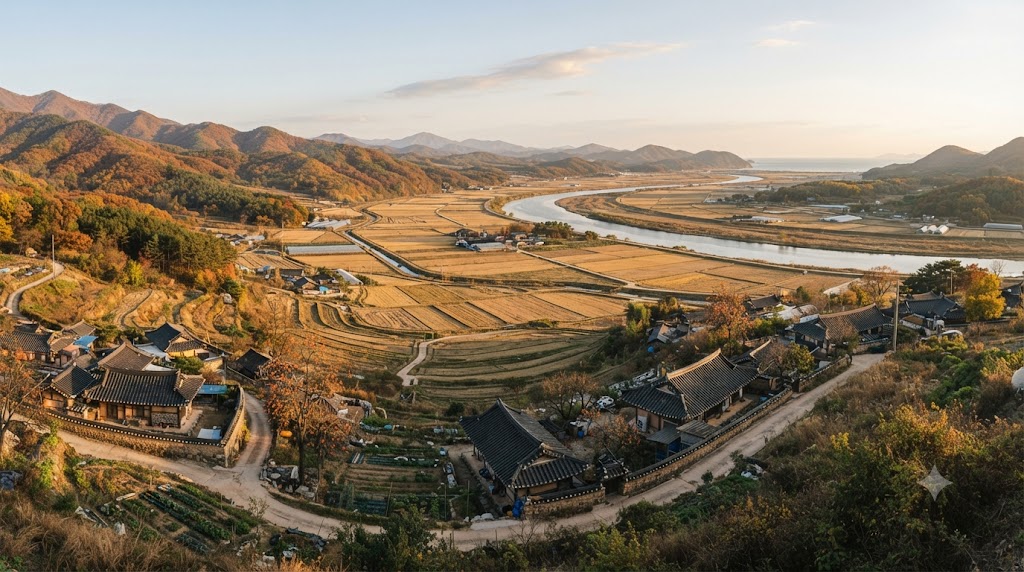
Yangdong follows the contours of the mountain and its valleys.
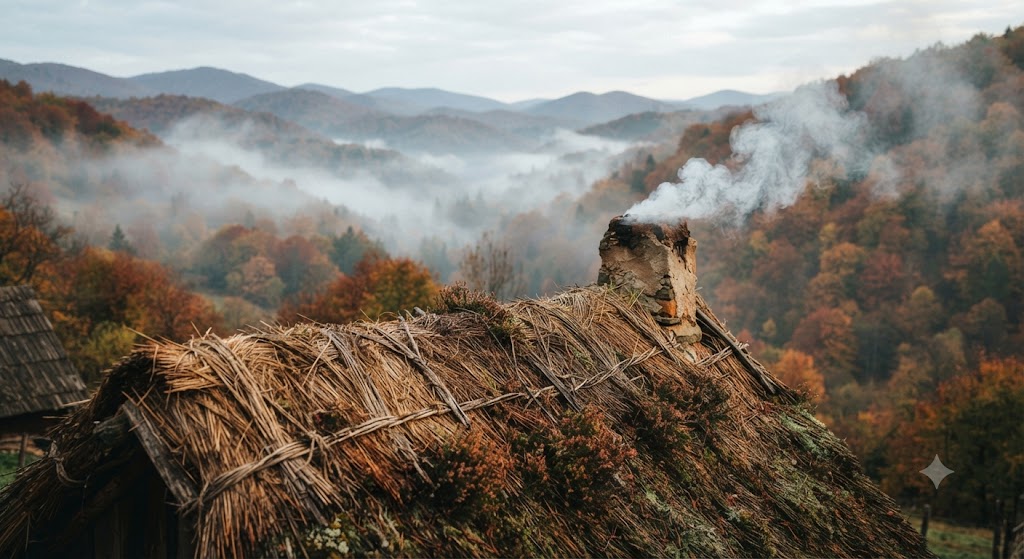
Houses of the two founding lineages, and of their descendants, occupy the higher ground, while the single-storey thatched houses of commoners sit lower down, a layout that records Joseon social hierarchy in the landscape itself.
The founding story is a marriage.
Son So (1433–1484) of the Wolseong Son clan settled the site, chosen by pungsu geomancy, and his daughter married Yi Beon of the Yeogang Yi family.
Their son Yi Eon-jeok, spelled Yi Unjeok in some English sources, became one of the best-known Confucian scholars of the era.
The Son family’s main house is Seobaekdang, and the Yi family’s is Mucheomdang.
Houses worth finding
Hyangdan is listed as Treasure No. 412 and Gwangajeong as Treasure No. 442 in the sources I checked, and the village as a whole is Important Folklore Material No. 189.
A 2025 Korean report names Songcheong House, built in 1459, as the oldest building it mentions.
Mucheomdang and Seobaekdang are the two main family houses, and several pavilions and study halls dot the slopes.
Many buildings are private homes, and at least one listing says a ritual structure is closed to visitors.
Smoking is prohibited in the village, and if a gate is shut, treat it as a house rather than an exhibit.
A three-hour plan
A cultural guide leads explanations roughly every two hours according to the 2025 report, so check at the entrance whether a tour is starting.
What it costs, and what to wear
The village itself is cheap.
Two adults pay 8,000 won in total, and a family of two adults and two young children pays 11,000 won at the listed rates, before fuel or taxi fare from Gyeongju.
Free parking is reported, so the real cost of the day is transport and lunch.
Wear shoes with grip.
The lanes are uneven stone and packed earth, and the climb to the head-family houses is steep enough to tire you on a warm day.
I could not confirm what facilities or food are available inside the village, so carry water and eat before you arrive.
If you want to photograph a courtyard, look for people first and ask before pointing a lens into someone’s yard.
Late autumn and winter timing
From November the reported closing time drops to 18:00, and sunset in Gyeongju arrives a little after five in the evening by late November.
That means the best light is on the hillside in the early afternoon, and you should plan to be back at the lower lanes before the sun leaves the slope.
Winter also strips the leaves from the trees, which opens clearer views of the tiled rooftops and the farmland below, although the thatch can look dry and brown compared with summer.
Combine it with Hahoe in two days
Because the two villages are listed together but sit about 90 km apart, they make a tidy two-day pairing.
Spend one day on Yangdong and Gyeongju’s east coast, and the next on Andong for Hahoe and the Byeongsan Confucian academy.
I have linked Korean-language guides for both at the end of this article if you read Korean or use a translation tool.