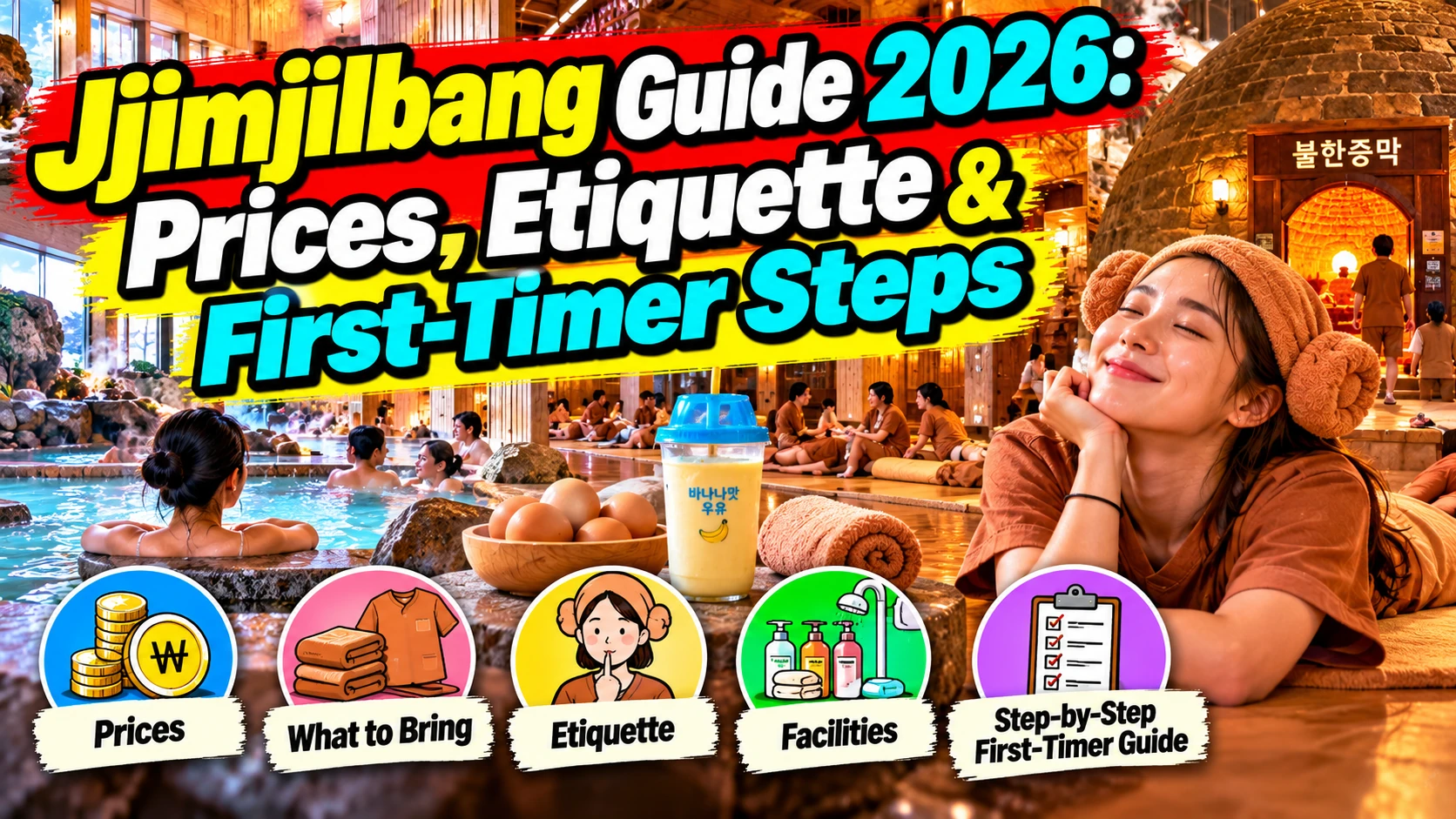
Prices, etiquette & first-timer steps for the Korean bathhouse
♨
₩10,000– 15,000
typical entry
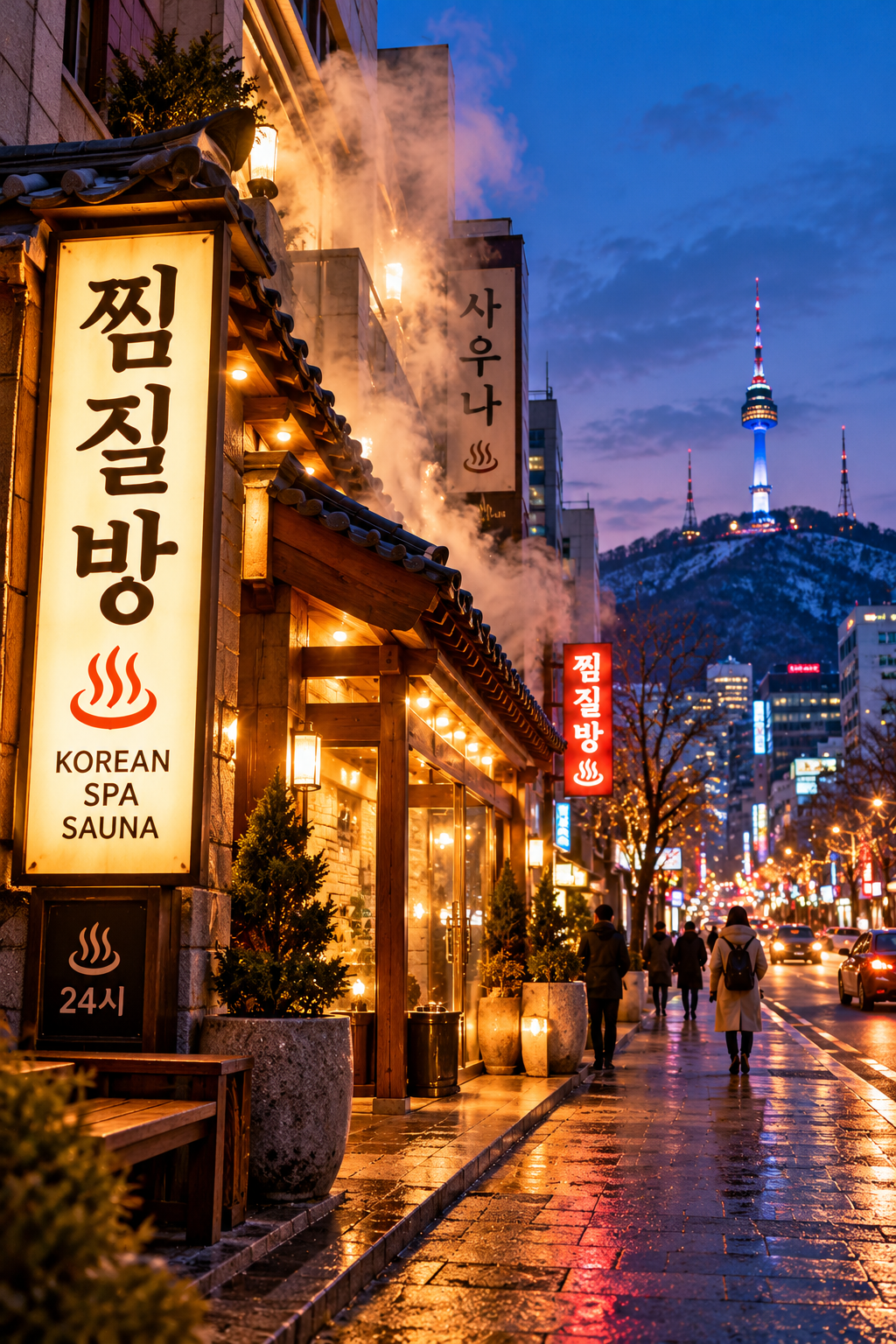
A jjimjilbang is a Korean bathhouse-and-sauna complex that typically costs about ₩10,000 to ₩15,000 for a full day, stays open 24 hours, and lets you sleep on a heated floor for no extra charge in many places.
So why do so many first-time visitors stand at the front desk unsure what to do next?
The honest answer is that nobody explains the order: shoes, key, uniform, shower, soak, sauna, snack, nap.
This guide walks through that order, gives you a price table built from several 2026-era guides, and flags two details most blog posts get wrong, namely which famous spas may no longer be open and how tattoo rules really work.
♨ PART 1
What a jjimjilbang actually is
Think of it as two spaces under one roof.
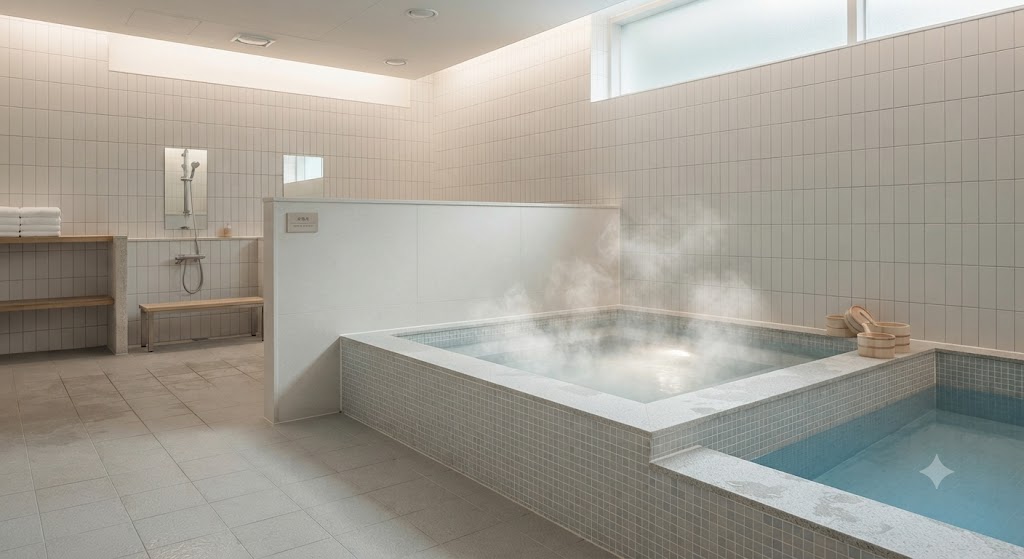
The first is a gender-separated bathing area with hot tubs, cold plunges, showers and sometimes steam rooms, where you bathe without clothes.
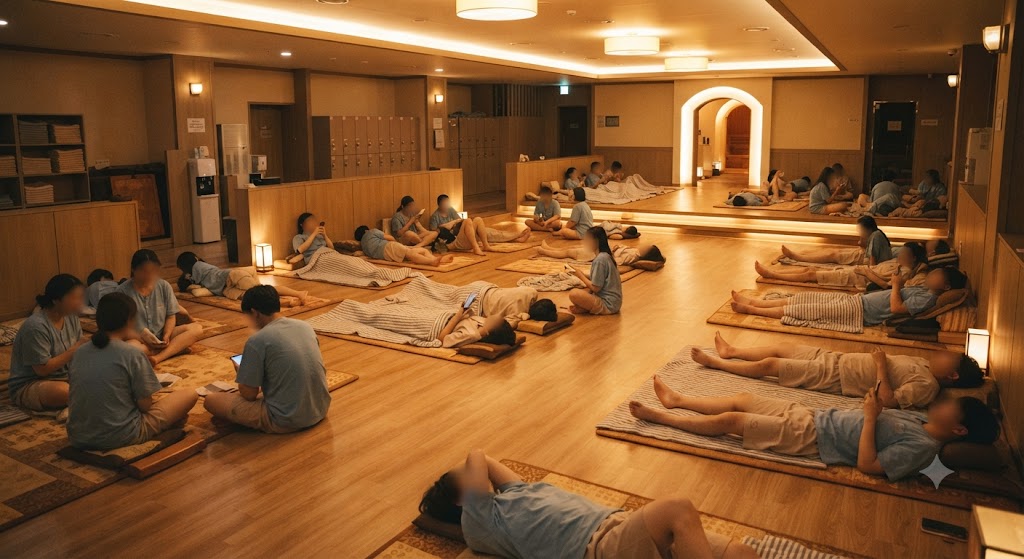
The second is a co-ed lounge area where everyone wears the same T-shirt and shorts that the front desk gives you.
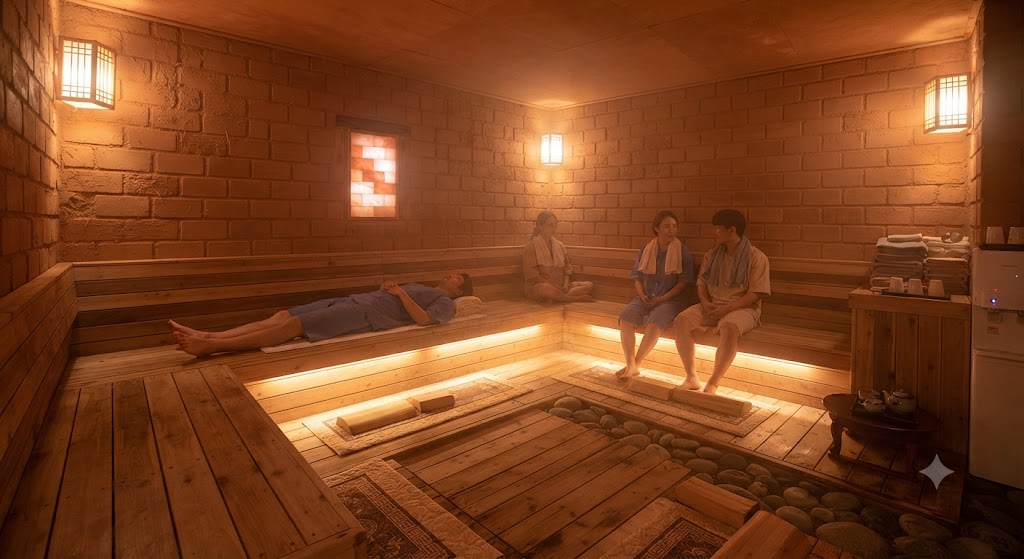
That lounge is the social heart of the place: themed sauna rooms, a snack counter, TV corners and a big heated floor where families and friends lie around for hours.
Most urban jjimjilbang run on tap or mineral water rather than natural hot springs, so do not expect an outdoor onsen.
♨ PART 2
Price and hours: what to budget
Guides disagree a little, which is normal because every venue sets its own rates.
Here is the range I found across sources.
🎫 Price cheat sheet (always confirm at the venue)
Daytime entry
₩10,000–₩16,000
Nomado travel guide
Evening / overnight entry
₩15,000–₩20,000
Nomado travel guide
Typical all-day entry
₩10,000–₩15,000
MileAsia 2026 guide
Wider range, small to large venues
₩7,000–₩20,000
Lonely Planet
Body scrub (seshin)
₩20,000–₩35,000
Lonely Planet / Nomado
Oil massage
about ₩60,000
Lonely Planet
Snacks (eggs, sikhye)
₩500–₩3,000
MileAsia / Nomado
Many places run 24 hours, but not all of them do, so check the hours before you plan an overnight stay.
Overnight sleeping is usually included in the entry fee, and one guide notes that a night in a jjimjilbang can cost far less than a budget private room at ₩30,000 to ₩50,000.
Weekday mornings and early afternoons tend to be the quietest.
♨ PART 3
The first-timer route, step by step
1
Shoes off Put your shoes in the shoe locker and take the key to the front desk.
2
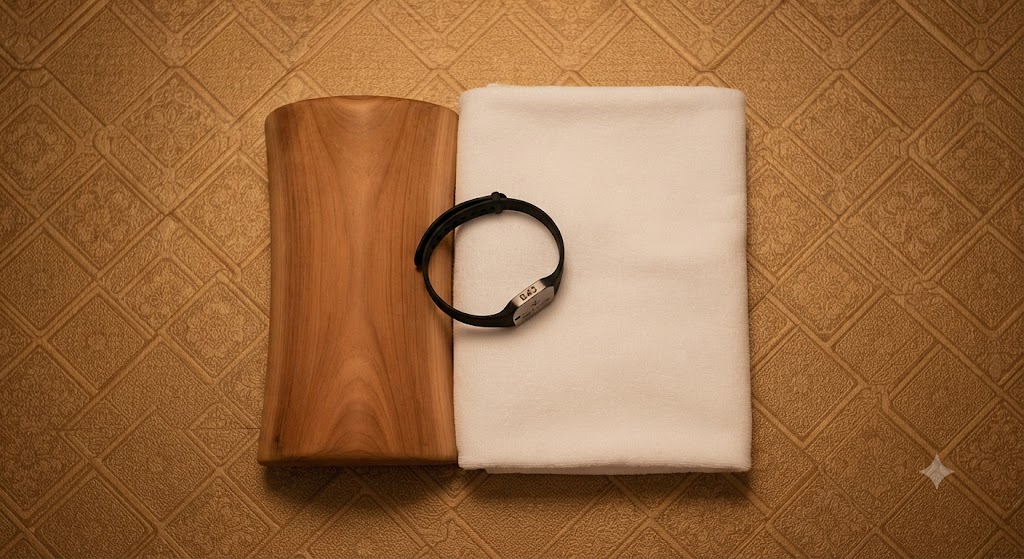
Pay & get your kit You receive a locker key (often a wristband), towels and the T-shirt-and-shorts uniform.
3
Go to the gendered baths Look for 남 (men) or 여 (women). Undress fully and store your clothes in your locker.
4
Wash first Scrub at a shower station before entering any shared tub. This is the one non-negotiable rule.
5
Soak Tubs run roughly 38°C to 45°C, with cold tubs near 15°C. About 20 minutes is considered optimal, with your heart above the waterline.
6
Dress and head to the co-ed floor Wear the uniform. Try the sauna rooms, then eat something.
7
Nap Grab a mat and a wooden pillow (baegae) and lie on the heated floor.
A small detail from the Lonely Planet guide: soap is usually provided at the shower stations, but shampoo and conditioner often are not.
Another guide says you do not need to bring anything.
Both can be true depending on the venue, so tuck a mini shampoo in your bag just in case.
♨ PART 4
Sauna rooms and temperatures
Not every hot room is equal.
These are the typical types and the ranges guides report.
Clay room (hwangto-bang) 50–60°C
Traditional sauna (hanjeungmak) 50–90°C
Kiln room (bulgama-bang) 80–90°C+
Cold tub about 15°C
Keep kiln-room visits to five to ten minutes.
On a first visit, about 20 minutes in a traditional sauna is the most that one guide suggests, and you should stay hydrated and avoid falling asleep.
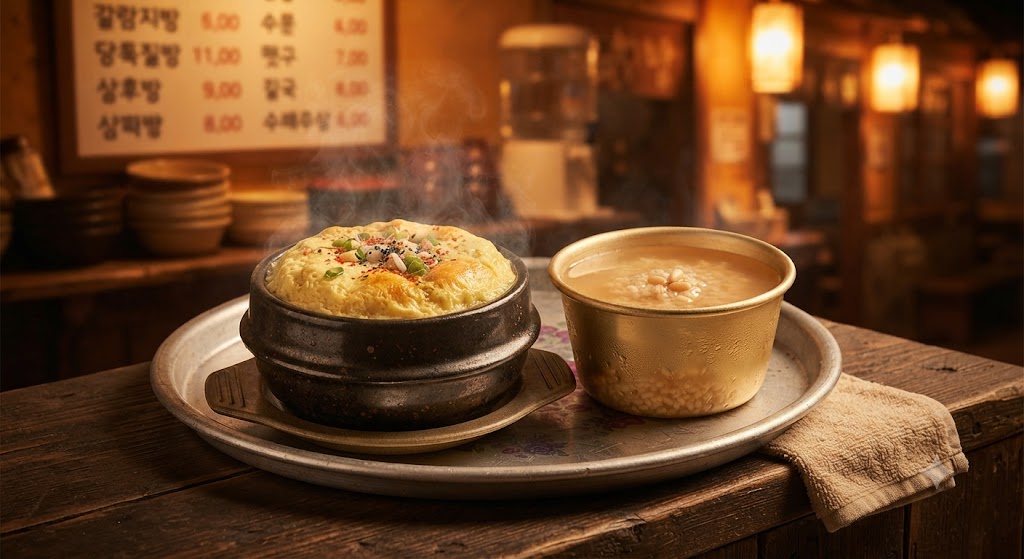
Cool down with a cold drink such as sikhye, a sweet fermented rice drink, or a steamed egg from the snack counter, which usually costs ₩500 to ₩1,000.
♨ PART 5
Etiquette: the do and don’t list
✅ DO
• Shower before any shared bath or pool.
• Keep your towel out of the water; folding it on your head is the usual trick.
• Wear the provided uniform in co-ed areas.
• Keep your voice low in lounges.
• Drink water before, during and after saunas.
🚫 DON’T
• Do not wear swimwear in the traditional baths.
• Do not photograph other guests or the bathing areas.
• Do not stay in a kiln room longer than ten minutes.
• Do not leave valuables unlocked; keep the key on your wrist.
• Do not splash or talk loudly in the tubs.
Nudity in the bath area is considered normal, and a small towel is for modesty while walking around, not for the tub.
♨ PART 6
Scrubs, massages and when to book them
A seshin is a professional body scrub, and it works best after you have soaked, because the warm water softens your skin first.
Lonely Planet quotes about ₩20,000 for a basic scrub and about ₩60,000 for an oil massage, while another guide gives ₩20,000 to ₩35,000 for a scrub at standard venues, with upscale places charging more.
Scrub mitts are also sold at convenience stores and markets if you prefer to do it yourself.
Weekday mornings and early afternoons mean shorter scrub waits, so build your visit around them if you want the service.
Some counters take cash only, so carry a little.
♨ PART 7
When to go: the best season
Winter, roughly November to February, is the classic jjimjilbang season because the warmth feels twice as good after a cold day outside.
Summer is a sneaky second season, since the air-conditioned lounges become a refuge during the rainy June and July weeks and the heat that follows.
Spring and autumn are the most comfortable overall if you want to combine a bathhouse with a full day of sightseeing.
A jjimjilbang also works as a budget stop after an early-morning arrival at Incheon, when your hotel room is not ready yet, as long as the venue is confirmed open.
♨ PART 8
The two things older guides get wrong
First, some famous names may no longer be open.
A 2026-era Seoul guide reports that Dragon Hill Spa in Yongsan has been closed since around 2021, and a Siloam Sauna listing near Seoul Station is marked permanently closed, yet other pages still print old prices for both.
A booking-site listing even shows Dragon Hill Spa weekday daytime entry at ₩12,000 and night or weekend entry at ₩15,000, plus ₩1,000 for each extra hour, and a ₩30,000 fee for a lost key bracelet.
I cannot confirm which version is current, so treat those numbers as historical and verify any venue on a map app before you travel.
Second, tattoos: many Korean jjimjilbang welcome tattooed visitors, but some traditional venues restrict visible tattoos in the bathing area, while newer places are more relaxed.
The safest move is to call ahead or ask at the desk, and to bring a rash guard or cover if a venue allows covering in the lounge. (Policies vary by venue.)
♨ PART 9
Quick FAQ
QHow much does a jjimjilbang cost in Seoul?
Most guides put a standard visit at about ₩10,000 to ₩16,000 in the daytime and ₩15,000 to ₩20,000 in the evening or overnight, with the full range running from about ₩7,000 to ₩20,000.
QCan I sleep overnight at a jjimjilbang?
Yes, many are open 24 hours and let you sleep on a heated floor, usually included in the fee, but check each venue’s hours first.
QAre tattoos allowed in Korean jjimjilbang?
Policies vary: many welcome tattoos, some traditional venues restrict visible ones, so call ahead.
QDo I need to bring anything?
Not strictly, since towels and uniforms are provided, but bring your own shampoo and skincare, and cash in case a snack bar or massage counter does not take cards.
Your last step: lie down.
After the soak, the sauna and the egg, the best part of a jjimjilbang is doing nothing at all on a warm floor.
Verify the venue, bring a little cash, and give it a full afternoon.